Business Intelligence Dashboard: 6317635834, 6318240027, 6318255526, 6463287633, 6466809862, 6467622601
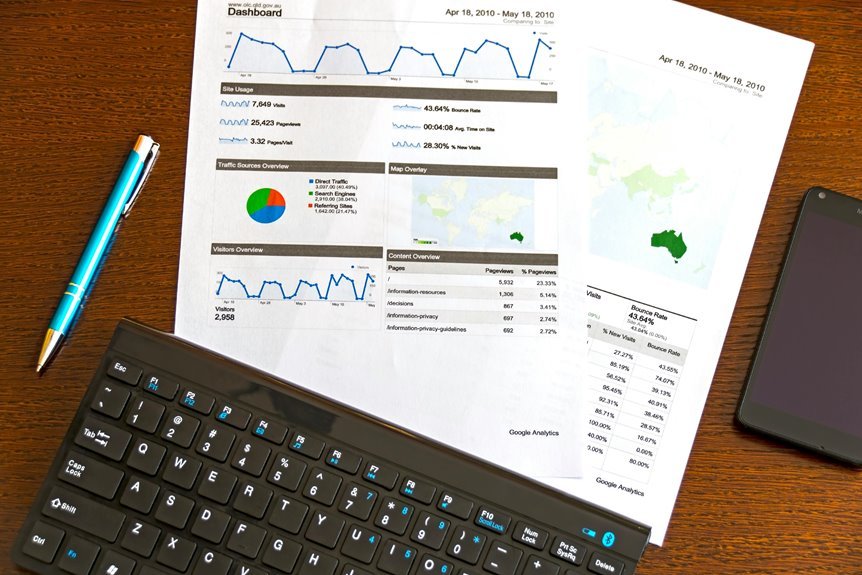
Business intelligence dashboards, identified by numbers such as 6317635834 and 6466809862, serve as essential tools for organizations aiming to enhance performance through effective data visualization. These dashboards integrate both structured and unstructured data, allowing for real-time tracking of key performance indicators. The customizable nature of these tools caters to diverse user needs, yet their true impact on operational efficiency and decision-making remains to be critically examined. What specific outcomes have organizations experienced through their implementation?
Importance of Business Intelligence Dashboards
As organizations increasingly rely on data to drive decision-making, the importance of business intelligence dashboards becomes evident.
These tools enhance data visualization, enabling effective performance tracking and facilitating strategic planning. By providing real-time insights, they improve user engagement and empower teams to make informed choices swiftly.
Ultimately, business intelligence dashboards serve as critical assets for organizations seeking autonomy and agility in their decision-making processes.
Types of Data Integrated Into BI Dashboards
While various data types can be integrated into business intelligence (BI) dashboards, the most effective dashboards leverage a combination of structured and unstructured data sources to provide comprehensive insights.
Structured data, such as databases and spreadsheets, pairs with unstructured data like social media feeds.
Utilizing advanced visualization techniques enhances data interpretation, empowering users to make informed decisions that foster organizational freedom and agility.
Case Studies Highlighting BI Dashboard Impact
Case studies demonstrate that the implementation of business intelligence (BI) dashboards can significantly enhance organizational performance across various sectors.
Analyzing dashboard success reveals heightened user engagement, leading to improved decision-making and operational efficiency.
For instance, retail companies utilizing BI dashboards reported a 30% increase in sales performance, showcasing the transformative power of data visualization in fostering a data-driven culture and maximizing resource allocation.
Conclusion
In conclusion, business intelligence dashboards serve as vital tools for organizations aiming to enhance performance and decision-making. By integrating diverse data types and offering customizable features, these dashboards foster a culture of collaboration and efficiency. As the adage goes, “Knowledge is power,” and the insights gleaned from these dashboards empower teams to navigate complexities and drive strategic outcomes. Ultimately, the effective use of BI dashboards not only supports informed decisions but also positions organizations for sustainable success in a data-driven landscape.